




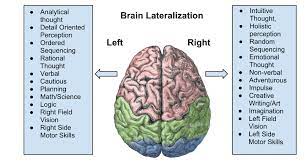
Thinking about your brain and emotions might not seem like the most natural pairing. The brain is a complex organ tucked away in your skull. Emotions are a response to external circumstances — or so it seems at first glance. Ignoring that the brain is also very much an organ of the body and its functions are directly related to our emotions, the association between the brain and emotions isn’t as simple as you think. It goes much deeper than that. There are many theories in regards to how the brain affects our emotions.
Some experts believe that our sense of smell triggers certain emotions in us based on what we’re smelling at that time. Other research suggests specific locations in the brain where different types of memories are stored, which explains why some memories trigger more intense emotions than others. But what controls emotions? To answer it simply – the brain is responsible for controlling and triggering emotions, but is it the complete brain or a specific part of the brain? To get an answer to what part of the brain controls emotions and feelings, you will need to read further.
What Is an Emotion?
Emotions are an intrinsic part of being human. They can be triggered by our surroundings, internal body state, or other people’s behaviors and actions. In other words, emotions are dynamic, fluid, and complex. Not only that, but they are subjective experiences that are triggered by our personal histories, thought processes, and life events. This means that you and I may both have similar life experiences, but our emotions will be different because of our individual mindsets. Physiologically, emotions are accompanied by changes in your body, such as increased heart rate, blood pressure, and respiration. More specifically, they are triggered by chemicals called neurotransmitters, which are produced in a part of your brain called the limbic system.
What is the Limbic system, and how does it generate emotions?
A limbic system is a group of interconnected structures deep within the brain regulating behavior and emotion. The limbic system is responsible for behavioral and emotional responses. Scientists are still debating whether or not the following structures are part of the limbic system, but they are generally accepted as such:
Hippocampus – The hippocampus is involved in preserving and accessing memories and understanding spatial dimensions of environments.
Amygdala – The amygdala coordinates responses to things in your environment, particularly things that trigger emotional reactions. The amygdala governs fear and anger.
Limbix Cortex – Cingulate gyrus and parahippocampal gyrus are both limbic cortex components and impact motivation, mood, and judgment.
The Role of the Amygdala in Emotions
The limbic system is responsible for our behavioral, emotional, and physiological responses to external stimuli. This is where the amygdala, two almond-shaped clusters of nuclei, operates. It is responsible for fear, anger, aggression, and the mediation of pleasure. The amygdalae also regulate memory, which is why certain smells can trigger specific memories. This is also why some people associate certain emotions with songs they’ve heard.
What part of the brain controls common emotions?
Cognitive reflexes strongly influence emotions. Therefore, different parts of the brain show activities or reactions to situations. To explain it better, here is the list of common emotions and the parts of the brain that produce the reaction to these emotions.
Fear – The amygdala
Happiness – The precuneus.
Rage – The hypothalamus
Sadness – The amygdala
Emotional Memory – The hippocampus and amygdala.
What part of the brain controls brain anger?
Anger is a response to threats or environmental stressors, much like fear. When the environment seems dangerous, and you can’t escape, you will likely respond with anger or aggression. The anger response and the fight are included as part of the fight-or-flight response. Frustration, such as encountering obstacles while attempting to reach a goal, may also trigger the anger response. The amygdala stimulates the hypothalamus in a similar way as it does in the fear response. In addition, the prefrontal cortex may also be involved in anger. People with a damaged prefrontal cortex often have difficulty controlling their emotions, especially anger and aggression.
A Mix of Brain Activities produces Feelings.
Feeling happy, sad, anxious, or angry is rarely a product of only one of these activities. Instead, it’s a combination of them all. For example, when you’re sad, you might experience a sense of longing, loss, and maybe even regret. Or when you’re angry, you may feel resentful and vengeful, too. The reasons for these emotions are located in the prefrontal cortex and the hippocampus. These two parts of the brain are responsible for your cognitive functions, such as your ability to reason and solve problems and your long-term memory. They’re also responsible for your ability to plan and make decisions based on your emotions, which you do all the time without even realizing.
Limiting Your Ability to Process Emotions
There are also ways in which you can limit your ability to process your emotions. This can occur when you’re preoccupied with repressing certain emotions or when you’re focusing on the emotions of others. So, let’s say you’re feeling angry about something at work, but you choose to repress your anger and push it to the back of your mind. This can affect the way you respond to your emotions. Likewise, spending a lot of time thinking about someone else’s feelings, feelings you don’t have any control over, can negatively affect your ability to process your own emotions.
Bottom Line
To improve your relationship with your emotions, it’s important to recognize the connection between your brain and your emotions. You can learn to identify when you’re feeling specific emotions, and you can also control those emotions. To do this, it’s helpful to know how the brain affects emotions. This will help you to understand better your emotions and how they work. Doing so will also allow you to make better decisions in your life.
