




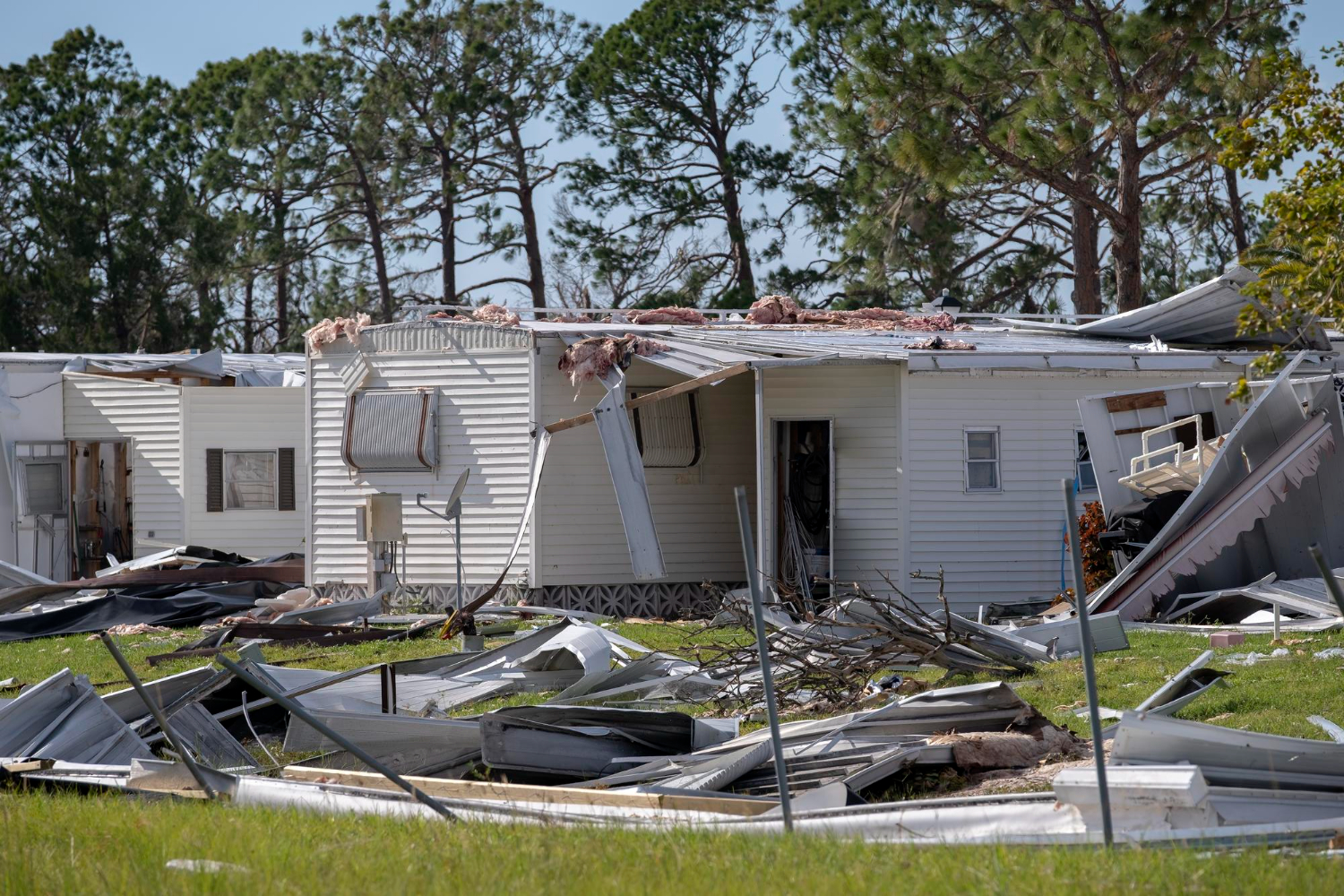
The post-disaster period of a major weather incident can be hectic and emotional. Nevertheless, you should become a crime scene investigator of your property before you take out a broom or get rid of destroyed property. The most important thing when making an insurance claim is proper documentation to make sure the claim is done justly and promptly.
Be safety and visibility conscious
Before assessing Storm Damage, ensure the area is safe. Look at the power lines or gas leaks that may have fallen down. When you have secured your site, start your recording in daytime. Good lighting is necessary to get the actual magnitude of the damage.
The photographic evidence stage
Your best tool in this process is your smart phone. Do not touch anything before you have taken the as-is image of the property.
- Wide-Angle Shots: At first, take wide pictures of each room and each side of the exterior to display the overall situation of the loss.
- Close-Up Details: Go in close to certain points of concern, as the loss of shingles, broken windows, or water lines on the drywall.
- Video Walkthroughs: Walk through the home, capturing a video and audio commentary on what you see.
Inventorying personal property
A list of lost or damaged items should be provided in detail. Assuming you can safely do so, make a log that contains:
- The description and name of the item.
- The approximate date or age of purchase.
- The approximate replacement value.
Electronic and appliance serial numbers
Do not discard anything, even when it is mouldy or when it is broken. The adjuster might require viewing the tangible property to confirm the claim. In case local authorities ask you to dispose of objects due to health concerns (such as expired food), make a picture of the objects and serial number tags within the first place.
Insuring the property against additional loss
In the majority of insurance policies, you have to undertake reasonable measures to avoid additional damage. When you have finished up your paperwork you can carry out some of the emergency repairs such as tarping a roof or boarding a window. Retain all receipts of material bought, in most cases such expenditures could be refunded in your claim.
Maintaining a Paper Trail and Communication Log
Beyond the physical evidence, it is vital to maintain a meticulous record of every interaction you have regarding the damage. Start a dedicated folder or digital file to store your claim number, the names and contact information of every insurance representative you speak with, and a summary of your conversations. If a contractor provides an estimate or an adjuster makes a verbal promise, ask for it in writing or follow up with an email confirming what was discussed. This chronological log serves as a secondary layer of protection, ensuring that no details are lost in the shuffle of a busy claims department. By keeping your receipts, correspondence, and documentation organized, you present yourself as a prepared and informed policyholder, which can significantly reduce the likelihood of disputes or delays during the settlement process.
Summary
Storm Damage is a slow and delicate process. You can do this by taking detailed notes of the scene before you touch a single piece of debris, allowing you to have the evidence that will enable you to have a smoother process of claims. To have professional help in getting your home back to the pre-loss condition, visit- https://www.floodprosusa.com/storm-damage/. or inquire about their services in Orlando.
Media Contact
Website: https://www.floodprosusa.com/
Phone: (407) 815-5663
Address: 3001 Aloma Ave. Suite #302
Winter Park, FL 32792
Apart from that, if you want to know more about 7 Reasons Why Plywood Reigns Supreme then visit our Home Improvement category.
