




Introduction
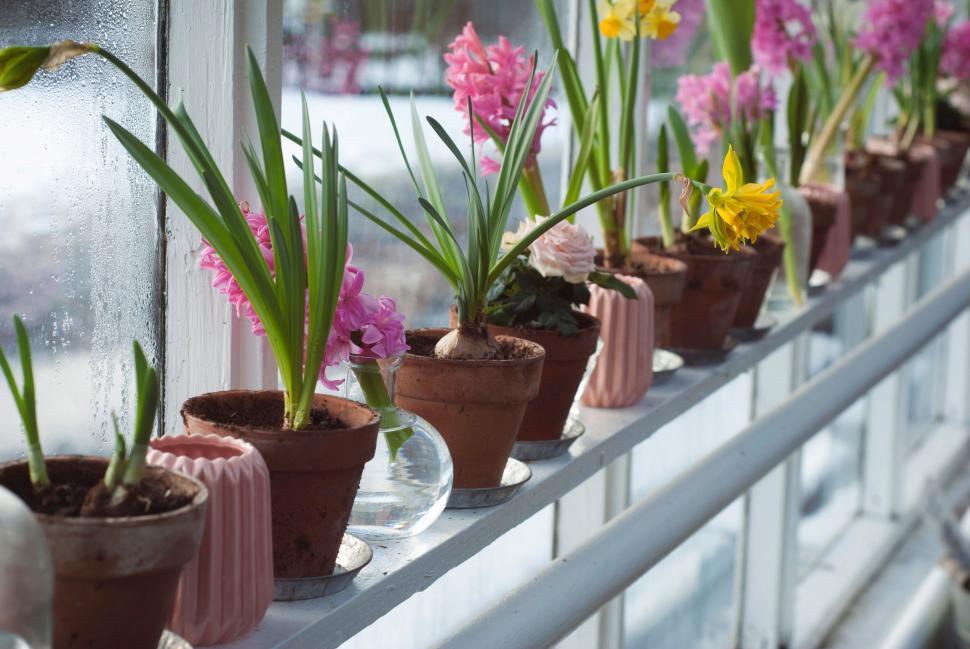
In recent years, the popularity of indoor gardening has surged, leading many plant enthusiasts to seek innovative ways to display their green companions. One of the most accessible and aesthetically pleasing solutions is the windowsill plant shelf. This article explores the benefits, types, and tips for creating your own windowsill plant shelf, ensuring that your plants thrive while enhancing your living space.
Benefits of Windowsill Plant Shelf
1. Space Optimization
Windowsills often go underutilized in homes, especially in urban settings where space can be limited. By adding shelves, you can maximize vertical space, allowing for more plants without cluttering your living area. This is particularly beneficial for small apartments, where every inch counts.
2. Natural Light Exposure
Plants require light for photosynthesis, and windowsill plant shelves provide an ideal spot for them to soak up natural sunlight. Depending on the orientation of your window, different plants can thrive in varying light conditions, from bright and direct to indirect sunlight.
3. Aesthetic Appeal
A windowsill plant shelf adds a touch of nature and colour to any room. Arranging plants in an appealing way can enhance the aesthetic of your home, creating a calming atmosphere that promotes relaxation and well-being.
4. Improved Air Quality
Indoor plants can help improve air quality by filtering toxins and producing oxygen. Placing them on a windowsill shelf allows for optimal light exposure, encouraging healthy growth and maximizing their air-purifying benefits.
Types of Windowsill Plant Shelves
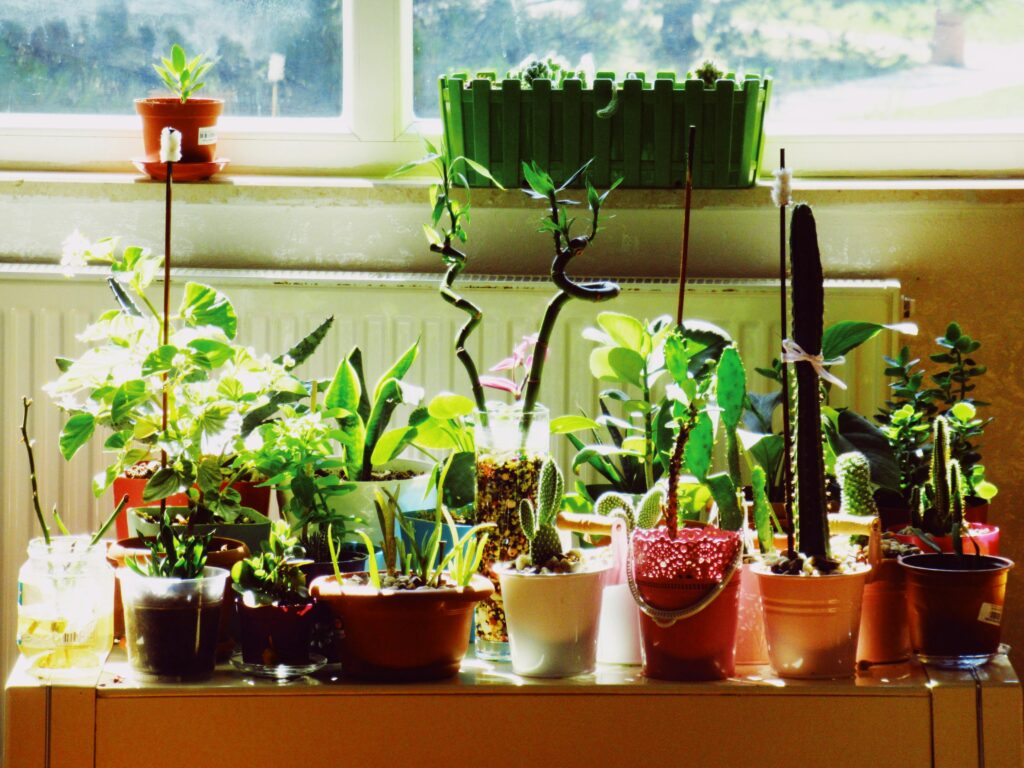
Many types of windowsill plant shelves available are:
Floating Shelves
Floating shelves are a sleek, modern option for displaying plants. They are attached directly to the wall without visible brackets, creating a minimalist look. Floating shelves can be installed at various heights, allowing for a customized arrangement that fits your space and plant sizes.
Tiered Shelves
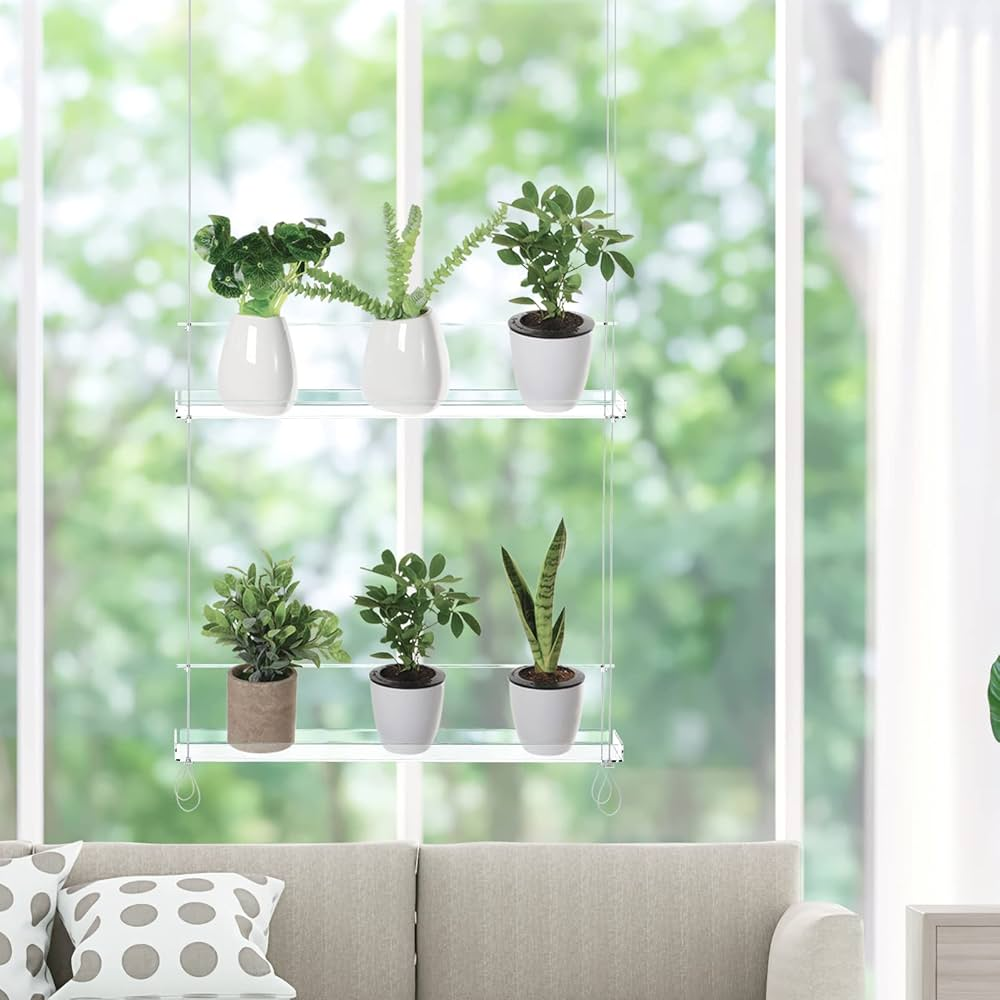
Tiered shelves offer multiple levels for plant display, maximizing space while adding visual interest. They can be made from wood, metal, or even plastic and are available in various styles to match your decor. Tiered options are ideal for those with a diverse collection of plants requiring different light levels.
Window Box Shelves
Window box shelves extend outwards from the window, creating a small ledge for plants. These can be particularly effective for growing herbs or small flowers, and they often come with built-in drainage systems to prevent water accumulation.
Ladder Shelves
Ladder shelves combine aesthetics and functionality. They offer a tiered design that resembles a ladder, making them ideal for corner spaces or areas that require more vertical storage. Ladder shelves can hold a variety of plant sizes, from small succulents to larger potted plants.
Tips for Setting Up Your Windowsill Plant Shelf
1. Assess Light Conditions
Before setting up your plant shelf, evaluate the light conditions of your windowsill. Observe how sunlight moves throughout the day and note any areas that receive direct or indirect light. Choose plants that match these conditions to ensure healthy growth.
2. Choose the Right Plants
Select plants that are well-suited for indoor conditions and the specific light exposure of your windowsill. Low-light plants like snake plants, pothos, and ZZ plants thrive in less light, while succulents and cacti prefer bright, direct sunlight.
3. Ensure Proper Drainage
Good drainage is essential for plant health. Ensure your pots have drainage holes, and consider using trays to catch excess water. Plants that prefer more humidity can be grouped together to create a microclimate.
4. Consider Temperature Fluctuations
Windows can create temperature extremes, especially during winter months. Ensure that your plants are not exposed to drafts from open windows or heating vents, as this can stress them. If necessary, move more sensitive plants away from direct exposure.
5. Rotate Plants Regularly
To promote even growth, rotate your plants periodically. This ensures that all sides receive adequate light and helps prevent them from leaning towards the light source.
Decorating with Windowsill Plant Shelves

Create a Theme
When arranging your plants, consider creating a theme based on colors, textures, or types of plants. For example, you might opt for a collection of all succulents in varying shapes and sizes, or mix flowering plants with greenery for a vibrant display.
Use Decorative Containers
The containers you choose can greatly enhance the overall look of your plant shelf. Consider using colourful pots, ceramic containers, or rustic wooden boxes to add personality. Decorative containers can also reflect your style and complement your home decor.
Incorporate Accessories
In addition to plants, consider adding decorative accessories such as small figurines, candles, or books. These items can provide visual interest and break up the green, creating a balanced and inviting display.
Layering Plants
Layering plants of varying heights can create depth and make your shelf more visually appealing. Place taller plants at the back and shorter ones in front to ensure all plants are visible and can receive adequate light.
Maximizing Seasonal Interest
To keep your windowsill plant shelf vibrant throughout the year, consider incorporating plants that offer seasonal variation. Adding flowering plants that bloom at different times or foliage plants with changing leaf colors can ensure continuous visual interest.
For example, spring bulbs like mini daffodils or tulips provide bright bursts of color early in the year, while autumnal plants like ornamental kale or coleus bring warmth to your shelf during cooler months. Rotating seasonal plants not only enhances the aesthetic appeal but also encourages you to interact with your indoor garden regularly, fostering a deeper connection with your plants.
Maintenance and Care for Windowsill Plants
- Watering
Proper watering is crucial for plant health. Check the moisture level of the soil before watering, and ensure that you do not overwater, as this can lead to root rot. Most indoor plants prefer to dry out slightly between waterings.
- Fertilization
Regular fertilization during the growing season (spring and summer) can promote healthy growth. Use a balanced, water-soluble fertilizer according to the manufacturer’s instructions, and adjust based on the specific needs of your plants.
- Pruning
Pruning is essential for maintaining the health and appearance of your plants. Remove dead or yellowing leaves to encourage new growth and keep your plants looking tidy. Some plants may also benefit from occasional trimming to promote bushier growth.
- Pest Control
Keep an eye out for pests, such as spider mites or aphids, which can affect indoor plants. Regularly inspect your plants and remove any pests you find. For a natural remedy, consider using neem oil or insecticidal soap.
Conclusion
Windowsill plant shelf provides a fantastic way to bring nature indoors while optimizing space and enhancing the aesthetic of your home. With various types of shelves, you can create a personalized green sanctuary in any room. By following the tips for setting up, decorating, and maintaining your plant shelf, you can enjoy the beauty and benefits of indoor gardening for years to come. Windowsill plant shelves offer an accessible and rewarding way to cultivate your love for plants.
Apart from that if you want to know about “Top Storage Building” then please visit our “Home Improvement” Category.
FAQs
For those who want low-maintenance plants, succulents and cacti are a great fit; aloe vera, jade plant, and snake plant are also great options.
Yes, a windowsill, often referred to as a window ledge or window bottom, functions as a flat, shelf-like surface at the base of the window.
PVC, stone, wood, and tile are common materials for window sills.
