



Introduction
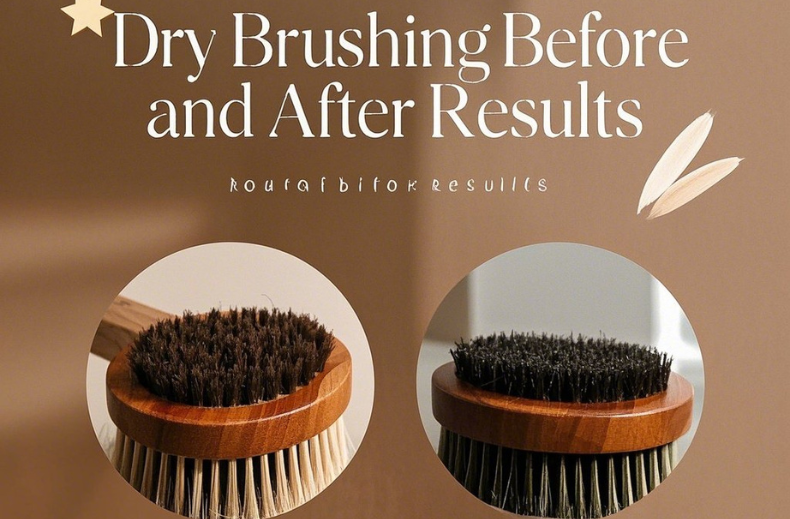
In recent years, dry brushing before and after results have taken the beauty world by storm, quickly becoming a popular skincare trend. But what exactly is dry brushing, and why has it garnered so much attention? Dry brushing involves using a natural bristle brush to exfoliate your skin before showering.
The technique is thought to offer a range of benefits, such as smoother skin, improved circulation, and even cellulite reduction. As more people adopt this simple method into their daily routine, it’s important to understand the potential results from dry brushing before and after, as well as how it can improve your skin health over time.
By following proper technique and using the right tools, dry brushing can become an integral part of your skincare regimen, helping you achieve healthier, glowing skin.
| Aspect | Before Dry Brushing | After Dry Brushing |
| Skin Texture | May feel rough or uneven, with visible dry patches. | Smoother and softer skin, with an overall refined texture. |
| Skin Appearance | Dull, with potential buildup of dead skin cells. | More radiant, with a healthy, glowing appearance. |
| Blood Circulation | Blood circulation is normal, but might not be as invigorated. | Increased circulation, leading to healthier and more vibrant skin. |
| Cellulite | May notice visible cellulite in certain areas. | Temporary smoothing of skin texture, potentially reducing visibility of cellulite. |
| Moisturizer Absorption | Moisturizer may not be fully absorbed into the skin. | Improved absorption of moisturizers, oils, and serums. |
| Lymphatic System | Lymphatic drainage may be stagnant. | Stimulation of the lymphatic system, aiding in detoxification. |
| Skin Health & Elasticity | Skin may appear tired or older, with less elasticity. | Boosted cell renewal, leading to a firmer, more youthful appearance. |
| Feel & Sensation | Skin may feel sluggish or dry. | Invigorating sensation, leaving the skin feeling refreshed and energized. |
| Consistency of Results | Effects may not be noticeable immediately. | With consistent use, results such as smoother skin and increased radiance become more evident. |
What is Dry Brushing?
Dry brushing is a skin-care technique that involves using a special brush made of natural bristles on dry skin. This practice is done before showering and aims to exfoliate the skin by removing dead skin cells. The method also promotes blood circulation and helps stimulate the lymphatic system.
Many people incorporate dry brushing into their daily routines, believing it leads to smoother skin and a healthier appearance. Understanding dry brushing before and after results can help you decide if it’s right for you.
Benefits of Dry Brushing
- Exfoliates Skin: Removes dead skin cells for smoother, softer skin.
- Improves Circulation: Enhances blood flow, promoting a healthier complexion.
- Stimulates Lymphatic System: Aids in detoxification by helping the body eliminate toxins.
- Reduces Appearance of Cellulite: May temporarily smooth skin texture and reduce the visibility of cellulite.
- Promotes Cell Renewal: Encourages the growth of new skin cells for a fresher look.
- Enhances Product Absorption: Improves the effectiveness of moisturizers and serums applied afterward.
- Invigorates Body and Mind: Provides a refreshing, energizing experience that can boost mood.
- Supports Overall Skin Health: Contributes to a radiant and youthful appearance over time.
How to Dry Brush Properly
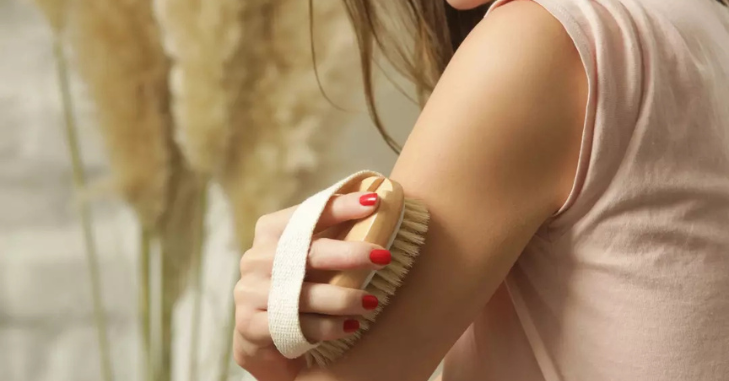
To get the most out of dry brushing, it’s essential to follow the right technique. Start by choosing a high-quality brush with natural bristles. Ensure your skin is completely dry before you begin. Start at your feet and work your way up, using long, sweeping strokes toward your heart.
Dry Brushing Before and After: What to Expect
When you start dry brushing, you might notice some immediate changes in your skin. Before you begin, your skin may feel rough or dry. After a few sessions, many people report that their skin feels softer and looks more vibrant. The exfoliation process can reveal fresh skin beneath, giving it a healthier appearance.
Precautions and Considerations
While dry brushing offers many benefits, there are some precautions to keep in mind. Avoid brushing over sensitive or broken skin, as this can cause irritation. If you have skin conditions such as eczema or psoriasis, consult a dermatologist before starting. Always use a clean brush to prevent bacteria buildup
The Science Behind Dry Brushing
Understanding the science behind dry brushing can shed light on its benefits. The technique is believed to enhance blood circulation, which helps deliver oxygen and nutrients to skin cells. Improved circulation can lead to healthier skin and a more youthful appearance.
Additionally, dry brushing stimulates the lymphatic system, aiding in detoxification by helping to remove waste and toxins from the body. This combination of benefits makes dry brushing an appealing option for those looking to improve their skin health.
Dry Brushing for Cellulite Reduction
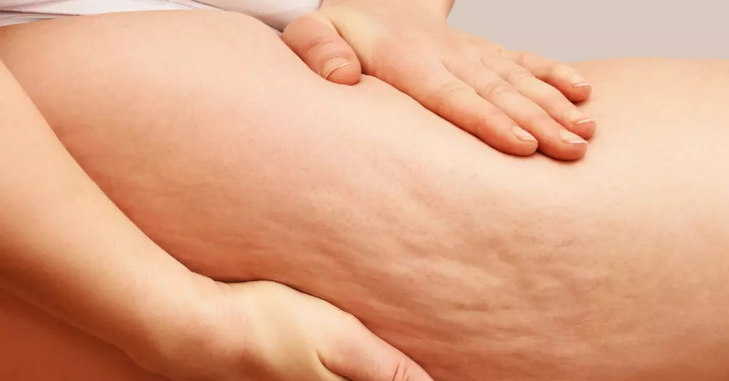
Many people turn to dry brushing in hopes of reducing the appearance of cellulite. While results can vary, the practice may help by increasing blood flow and promoting lymphatic drainage. This can lead to a temporary smoothing effect on the skin’s surface. To target areas with cellulite, focus on those regions when you dry brush.
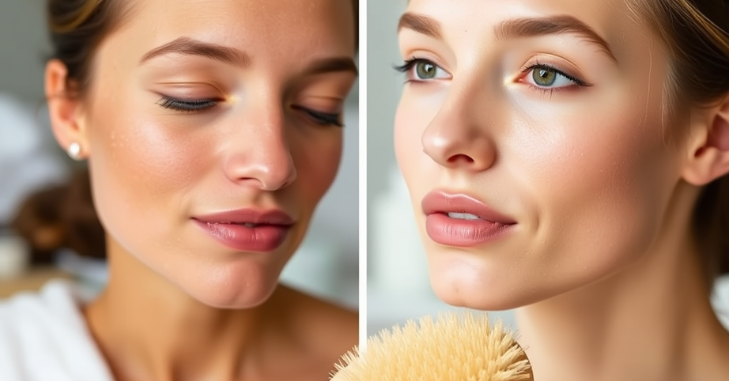
Incorporating Dry Brushing into Your Routine
To make dry brushing a part of your skin-care routine, try to set aside time a few times a week. Many people find it helpful to dry brush in the morning before their shower, as it can be invigorating and energizing.
Keep your dry brush in a visible spot, such as your bathroom, to remind you to use it. Consistency is essential; regular dry brushing can lead to better results. After brushing, applying a good moisturizer can lock in hydration and maximize benefits.
Enhancing Dry Brushing Results with Temperature Variation
For those looking to maximize the benefits of dry brushing, incorporating temperature variation can be an effective strategy. Alternating between a warm shower immediately after brushing and finishing with a brief cool rinse can help improve circulation further and tighten the skin.
The warm water opens pores and allows moisturizers or oils applied post-brushing to penetrate more deeply, while the cool rinse can invigorate the skin, reduce puffiness, and leave a refreshed sensation.
Choosing the Right Brush
Selecting the right dry brush is important for achieving the best results. Look for brushes made from natural bristles, as they tend to be gentler on the skin compared to synthetic options. The stiffness of the bristles can vary, so choose a brush that feels comfortable for your skin type. Some brushes come with long handles for easier reach, while others are compact. Experiment to find a brush that works best for you, and remember to clean it regularly to maintain hygiene.
Combining Dry Brushing with Other Skin-Care Practices
Dry brushing can be enhanced when combined with other skin-care practices. For example, following up with a body scrub or exfoliating wash in the shower can further improve skin texture.
Additionally, using nourishing oils or lotions after brushing can help hydrate the skin. Some people incorporate dry brushing into their self-care routines, viewing it as a moment for relaxation and mindfulness. This holistic approach can amplify the benefits you experience from dry brushing.
Common Misconceptions About Dry Brushing
- Myth: Dry brushing can completely eliminate cellulite.
Reality: While it may improve skin texture, it won’t eliminate cellulite entirely. - Myth: Dry brushing should be painful.
Reality: It should feel invigorating and refreshing, not painful or uncomfortable. - Myth: You can replace regular exfoliation with dry brushing.
Reality: Dry brushing is a complementary practice, not a substitute for regular exfoliation. - Myth: Everyone can dry brush without issues.
Reality: Those with sensitive skin or conditions like eczema should consult a dermatologist before starting. - Myth: Dry brushing is only for people with dry skin.
Reality: It can benefit all skin types, including oily and combination skin. - Myth: You don’t need to clean your dry brush.
Reality: Regular cleaning is essential to prevent bacteria buildup and maintain hygiene. - Myth: Results from dry brushing are immediate and permanent.
Reality: Consistency is key for lasting results; it may take time to see improvements.
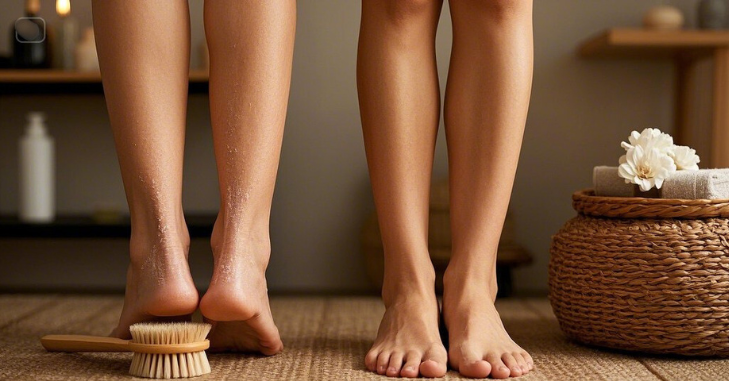
Personal Experiences: Dry Brushing Before and After
Many users share their personal experiences with dry brushing, often highlighting significant improvements in their skin. Before starting, they may have noticed dryness or uneven texture. After several weeks of consistent dry brushing, many report smoother skin and a more youthful glow. Some even find that their moisturizer absorbs better after brushing.
Read More: – The Workings Of Our Generally pro Technologies According To The Technology Of Nurx
Conclusion
Dry brushing is a simple yet effective technique that can enhance your skin-care routine. By understanding the process and its potential benefits, you can make an informed decision about whether to incorporate it into your regimen. The results of dry brushing before and after can be quite remarkable, leading to smoother, healthier skin.
With proper technique and care, dry brushing can become a rewarding practice that not only improves your skin but also promotes a sense of well-being. If you’re looking for a natural way to boost your skin health, consider giving dry brushing a try.
Apart from that, if you are interested to know about “Nurturing Beauty: A Journey with Aesthetics and Botox” then visit our “Health” category.
FAQs
Start with a dry brush on dry skin, using long, sweeping strokes toward your heart. Focus on one area at a time, spending about five to ten minutes.
It is generally recommended to dry brush two to three times a week for optimal results.
Benefits include smoother skin, improved circulation, stimulation of the lymphatic system, reduction in the appearance of cellulite, and enhanced product absorption.
Dry brushing is a skin-care technique that involves using a brush with natural bristles on dry skin to exfoliate and promote blood circulation.
