




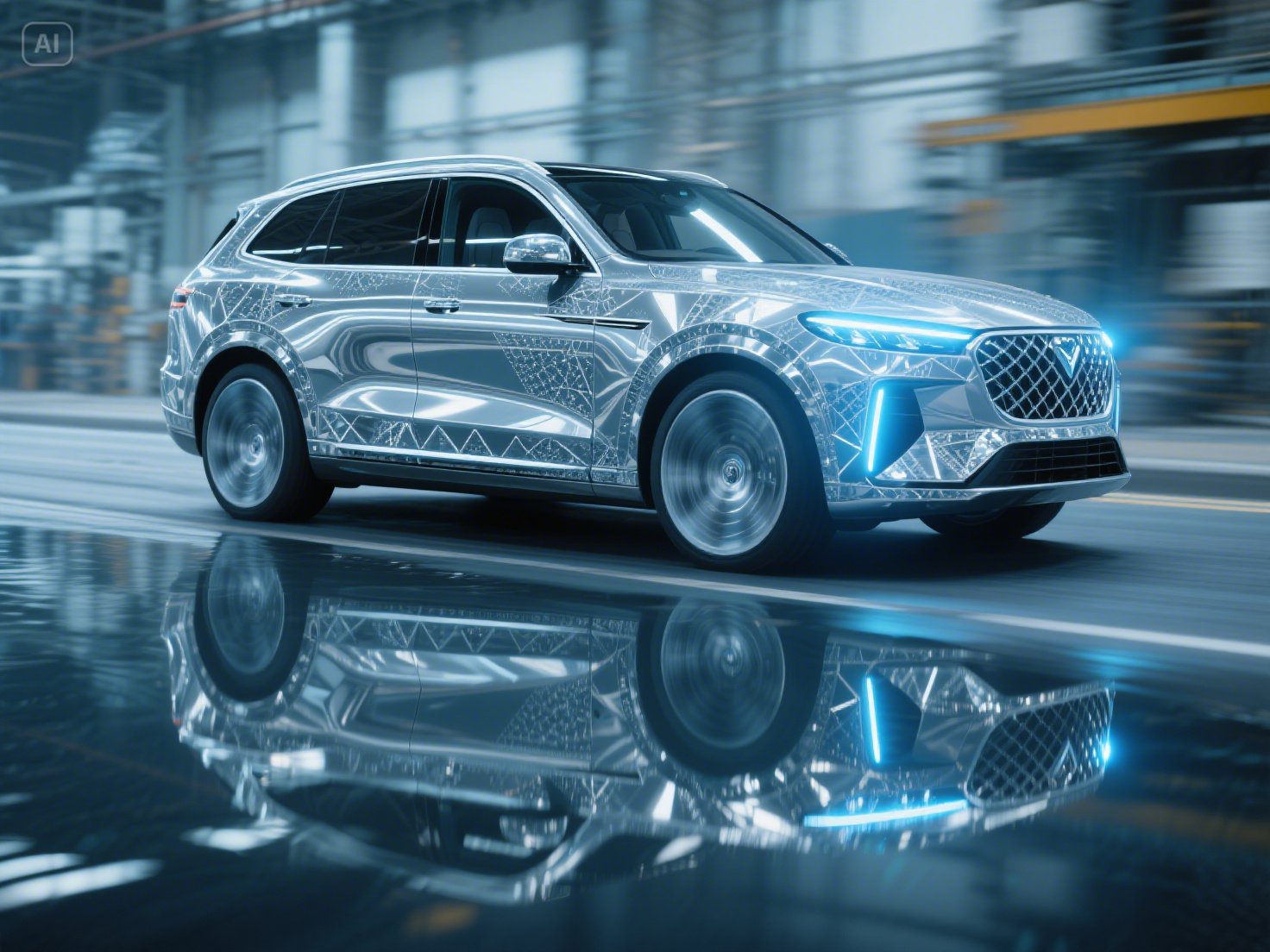
Revolutionizing Design: The Allure of Laser Precision
The Intersection of Art and Engineering in Automotive Design
The automotive industry has always been at the forefront of technological advancements, and laser engraving is a testament to this evolution. At its core, laser engraving merges the aesthetic sensibilities of art with the rigorous demands of engineering. This precision tool grants automotive designers the ability to manipulate a variety of materials be it metal, glass, or plastic achieving intricate patterns and details that were once unimaginable. For instance, the ability to create complex designs on vehicle dashboards or bespoke emblems ensures that the final product not only meets functional requirements but also embodies the artistic vision of the designers.
Lasers operate on the principle of focusing intense light to remove material, thus providing unparalleled accuracy. This precision allows for repeated patterns and unique designs to be engraved consistently across multiple units, ensuring that the vision of artistry is preserved across the production line. As such, every vehicle that rolls off the assembly line can be a masterpiece that encapsulates both the emotion of design and the integrity of engineering, bridging a gap that has traditionally separated the two disciplines. This fusion has not only enhanced vehicle aesthetics but has also contributed to brand loyalty, where customers align themselves with brands that exemplify artistic excellence and innovation.
Customization at Its Finest: How Laser Engraving Personalizes Vehicles
One of the most compelling aspects of laser engraving technology in the automotive sector is the unprecedented level of customization it offers. Traditional methods of vehicle personalization often fell short, limited by the capabilities of the techniques employed and the materials’ inherent properties. Laser engraving breaks those barriers by allowing consumers to embellish their vehicles with unique identifiers like names, logos, or even intricate artwork tailored to their personal preferences. This degree of customization is particularly appealing to younger consumers and enthusiasts who seek to express individuality through their automobiles.
Moreover, manufacturers can employ this technology to foster a sense of ownership among buyers, encouraging a connection between the consumer and the brand. Custom options, such as personalized plate designs or tailored interior accents, can be offered as part of a marketing strategy, driving sales through emotional engagement. For instance, companies like BMW and Mercedes-Benz have already begun to harness this potential by offering their clients the option to engrave personal messages or symbols on vehicle components, enhancing the overall consumer experience.
The Impact of Aesthetics on Consumer Choices and Brand Identity
An automobile is more than just a functional machine; it serves as a reflection of the owner’s identity, aspirations, and values. Aesthetics play a pivotal role in influencing consumer choices, with buyers often gravitating toward vehicles that resonate with their personal style. The introduction of laser engraving not only elevates the aesthetic appeal but also fortifies brand identity. Luxury brands, for instance, leverage laser techniques to engrave distinctive design elements that underscore exclusivity and craftsmanship, thereby reinforcing their market positioning.
Research suggests that consumers are willing to pay a premium for uniquely designed vehicles, demonstrating a direct correlation between aesthetic value and consumer behavior. As automotive companies increasingly prioritize design innovation, laser engraving creates opportunities for brands to stand out in a crowded marketplace. In this manner, engaging with laser technology allows manufacturers to create unforgettable vehicle designs that communicate their brand ethos while appealing to the desires of modern consumers.
Efficiency Meets Innovation: Enhancing Manufacturing Processes
Streamlining Production: The Role of Laser Technology in Automotive Assembly
As production demands in the automotive industry have escalated, the need for efficient manufacturing processes has become paramount. Laser technology has emerged as a crucial enabler, streamlining assembly operations through its precise and speedy capabilities. By integrating laser engraving into manufacturing workflows, automotive companies can significantly reduce production times while maintaining or even enhancing product quality. Instead of traditional engraving and marking techniques that often require multiple setup steps and lengthy processes, lasers perform multiple functions in one step cutting, marking, and engraving substantially accelerating the production line.
Additionally, the flexibility afforded by laser systems allows for rapid adaptation to design changes, which is increasingly important in a market where consumer preferences can shift overnight. If a design team decides to modify a vehicle’s aesthetic features, laser engraving techniques can be adapted swiftly without incurring substantial costs or long delays typically associated with traditional methods. As a result, automotive manufacturers can be more responsive to market demands, fostering a more dynamic production environment. Within this landscape, firms can retain competitive advantages by delivering innovative products efficiently, underscoring the idea that efficiency and innovation are not mutually exclusive but rather mutually reinforcing.
Lowering Costs and Waste: The Economic Benefits of Using Laser Engraving
The economic implications of adopting laser engraving technology in automotive manufacturing are profound. One of the most significant advantages is the reduction in production waste. Traditional engraving techniques often involve the subtraction of excess material, leading to not only wasted resources but also an increase in overall production costs. Conversely, laser engraving relies on a non-contact technique that minimizes material loss, ensuring that the majority of the original material is preserved and utilized, resulting in decreased scrap.
Moreover, the speed and versatility of laser systems contribute to lower operational costs. With fewer tool changes and reduced downtime associated with setup, manufacturers can optimize labor resources and maintain productivity levels. These savings can be further amplified through bulk production, where repeatability in engraving operations translates to increased effectiveness and lower costs per unit. Consequently, automotive companies that embrace laser engraving are positioned to experience not only short-term cost reductions but also sustainable long-term savings that can be reinvested in further technological advancements or passed on to consumers in the form of competitive pricing.
Quality Control: Ensuring Precision in Every Laser-Crafted Component
Quality control is a cornerstone of the automotive industry, where the safety and reliability of each vehicle depend on flawless engineering. With laser engraving, manufacturers can achieve unparalleled precision that aligns with rigorous quality standards. The technology allows for intricate designs and markings to be applied consistently across components, ensuring that every piece meets exact tolerances and specifications. This consistency is vital, particularly in high-stakes areas such as safety features and mechanical components, where even minor discrepancies can lead to catastrophic failures.
Automated quality assurance systems integrated with laser engraving technologies can facilitate real-time monitoring, allowing operators to detect any deviations immediately. By analyzing engraved patterns or measurements against predetermined specifications, manufacturers can act quickly to rectify any issues before they escalate into larger production problems. This proactive approach not only enhances quality but fosters a culture of accountability and continuous improvement within the organization. In essence, lasers are not simply tools but become pivotal players in an integrated quality management strategy, ensuring that each vehicle is manufactured to meet the highest standards of excellence.
Durability and Longevity: Beyond Aesthetic Appeal
The Science Behind Laser Engraving: Materials that Last
Durability is a critical consideration in automotive manufacturing, particularly as vehicles are subjected to diverse environmental conditions throughout their lifecycle. The materials chosen for vehicle components must withstand not only day-to-day wear and tear but also exposure to elements such as UV rays, water, and extreme temperatures. Laser engraving plays a vital role in enhancing material properties, as the laser process itself induces minimal thermal stress when compared to conventional methods, preserving the integrity of the substrate material.
Furthermore, innovations in material science and laser technology have enabled the development of specialized coatings that enhance both the visual and structural properties of engraved components. These coatings can increase resistance to scratches, corrosion, and fading while maintaining the clarity of intricate designs. For example, aluminum parts can receive anodized finishes post-engraving, resulting in enhanced durability without altering the engraved aesthetics. This alignment of functionality with visual appeal serves not only to meet consumer expectations but also ensures that vehicles remain aesthetically pleasing over extended durations and journeys.
Protecting Against Wear and Tear: How Engraving Enhances Vehicle Durability
Laser engraving does more than enhance the appearance of vehicle parts; it can directly contribute to their longevity. By creating markings that resist wear and tear, manufacturers can better protect vital components from degradation associated with friction, exposure, and environmental factors. For instance, engraved serial numbers or identification codes on engine parts can be designed to resist fading and deterioration, promoting easier maintenance and ensuring compliance with regulatory requirements.
Moreover, the precision of laser engraving allows for the implementation of micro-patterns that can actively enhance grip and reduce slipping on surfaces such as functional dashboards or gear shifters. Such design considerations demonstrate that laser engraving serves not only as a means of aesthetic enhancement but also as a functional feature that increases the longevity of vehicle components. As the industry progresses, understanding the interplay between design, functionality, and durability becomes essential for manufacturers to create vehicles that not only captivate buyers but also endure over time.
From Prototype to Production: Testing and Innovations in Laser Technology
The journey from prototype to full production is fraught with challenges, particularly as companies attempt to refine designs, adjust to consumer feedback, and navigate the rigors of compliance testing. Laser engraving technology has emerged as a vital tool in this transition, providing the ability to quickly produce prototypes that closely mirror final products. Rapid prototyping allows designers to evaluate multiple iterations of a component without incurring the high costs usually associated with traditional fabrication methods.
In addition to expediting the prototype phase, laser engraving can facilitate innovative design alterations based on real-world testing outcomes. Should an initial prototype underperform, the rapid adaptability of laser systems allows designers to make adjustments to engraved features almost instantaneously, thereby refining the designs based on the latest insights and best practices. This practice not only enhances efficiency but fosters a culture of continuous innovation, enabling manufacturers to stay ahead of the curve and meet the evolving demands of the market. This synergy between testing and technology ultimately lays a solid foundation for breakthroughs in automotive design that shape the future of mobility.
The Future is Bright: Trends Shaping the Automotive Industry
Sustainable Practices: Eco-Friendly Laser Engraving Solutions
Sustainability has become a central tenet of automotive manufacturing, as consumers increasingly demand eco-friendly practices. Laser engraving technology aligns perfectly with this movement, offering a cleaner and more efficient alternative to traditional methods. With reduced material wastage and lower energy consumption, lasers contribute to more sustainable production processes that leave a smaller ecological footprint.
Furthermore, manufacturers are exploring biodegradable and recyclable materials for laser-engraved components, driving the shift toward circular economies within the industry. By adopting sustainable practices, companies not only appeal to environmentally conscious consumers but also comply with stringent regulations and standards that govern automotive manufacturing. As technology continues to advance, integrating laser engraving with sustainable innovations will likely become a critical aspect of brand identity, positioning companies as champions of environmental responsibility.
Emerging Technologies: Integrating AI and Laser Tech in Automotive Design
The fusion of artificial intelligence and laser engraving technology is poised to redefine the boundaries of automotive design. AI algorithms can analyze consumer preferences and design trends to optimize the engraving process, predicting which features and aesthetics will resonate best with target audiences. This predictive capability extends beyond mere basic designs; it enables manufacturers to personalize designs dynamically, responding to shifting consumer trends in real-time.
Moreover, AI can streamline quality control measures by employing machine learning models to monitor engraving precision and identify defects during production. As data from laser systems are accumulated, AI can assist in identifying patterns associated with errors, paving the way for preemptive corrections and enhancing quality assurance. This technological synergy will enable automotive manufacturers to not just keep pace with an evolving market but to lead the charge into a new era of innovation where laser engraving becomes an essential aspect of intelligent design.
Predictions for the Next Decade: What’s Next for Laser Engraving in Automobiles?
As we look to the future, laser engraving for the automotive industry is expected to become even more entrenched in manufacturing processes. With continual advances in laser precision and processing speed, manufacturers will likely push the envelope of what is feasible, creating increasingly complex and harmonious designs that enhance functionality while captivating consumers. Furthermore, we can anticipate a greater intersection between laser engraving and other innovative technologies, including 3D printing and augmented reality, paving the way for new creative possibilities.
The evolution of consumer preferences toward customization and personalization will fuel the demand for laser-engraved components. The next decade may witness manufacturers offering a plethora of options that empower consumers to curate their vehicles directly, thus enhancing the user experience. Finally, as sustainability remains a primary focus, the integration of eco-friendly materials and practices in laser engraving processes is bound to grow, supporting an industry-wide shift toward environmentally responsible manufacturing. In conclusion, as the automotive landscape evolves technologically and socially, laser engraving for the automotive industry will play an indispensable role in shaping the future of the sector.
Apart from that, if you are interested to know about Discover the Power of Chem Dip Carb Cleaner then visit our Automobile category.
